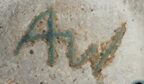
Marnhull Studio
Marnhull Studios, Burton Street, Marnhull, North Dorset 1965 – 1984
At Marnhull Alan employed a local and predominately female workforce, as he had found that the local men just would not consider any kind of subservience to women.
After the stress of completing the huge order of tiles for OXO, Alan once again began working on tall coil pots and increasingly on the production of large disc and oval forms. He made more female forms than previously too. Other production included tiles, standing stone forms, tall oblong and tapering forms, rectangular, square, round and cylindrical forms, deep encrusted boulders, pebbles, pierced spheres, urchins, nautilus shell forms, fossil forms, cactus forms, spiral screw cylinders, eroded spheres, porcelain and stoneware ‘opening’ forms, seedcases and pierced bowls, including large geode and crescent forms. In 1968 lamp base production ended.
Inspired by the moon landing in 1969, Alan made ‘eroded’ forms which became known as Moonrock. His iconic tiles were used in a scene of the 1973 James Bond film ‘Live and Let Die’. The British firm Wyncraft made tiled wooden cheeseboards using Alan’s tiles.
In the beginning at Marnhull things were busy, Alan was still supplying Heals and the CPA, and there was a large demand for tiles from overseas, particularly from Australia, Germany, Norway and the USA. Alan was enjoying country village life but loathing the progressively congested drives to London. In the early 1970’s the times were a-changin’ and the British economy was in trouble. Alan managed to organise production around ‘the three-day week’, and restricted power supply. At times, the pots had to take a backseat to the production of tiles. Inflation and the ever-rising cost of materials was eroding viability, and trade union militancy hampered export sales.
By the mid-seventies, tastes and fashion had changed, and so had the buyer at Heals, who cancelled the contact with Wallwork. In fact, the UK demand for tiles cooled, although they were still selling well abroad. Around this time Alan’s pot kiln developed a fault which caused the work to come out with a grey wash finish, he responded by intensely piercing the surfaces which he considered to be complimentary to the grey. This deep piercing method has become iconic and features on many of his best works since.
Alan’s environmental awareness had grown while his willingness to run a big business with employees had diminished, so he ran down the workforce via natural erosion and attempted to minimalize his environmental impact. He gave up his contracts with far flung businesses, in favour of more local outlets. As assistant numbers dwindled, a range of simple vase forms were developed using extrusion rather than throwing.
Alan also made massive bowls with granular textures, and smoothed them with a layer of porcelain, resulting in crackle effects and veining in the porcelain. Other more complex forms evolved too, like double walled forms with piercings and porcelain balls within stoneware. Alan continued with his experiments inserting a new variety of substances into the pots, to be burnt away in the firings.
By the early 1980s, Alan’s desire to work free from the responsibilities of running a big enterprise was coming to the fore, and he let the workforce rundown to a single assistant. However, the final days of Marnhull were prolonged by experiments to produce new textured tiles for a kitchen furniture manufacturer. Samples were submitted, even though the new finish was spitting badly and shortening the life expectancy of the kilns. To Alan’s surprise and without his prior knowledge, the tiles were being advertised on national television, and shortly afterwards the firm asked him to increase production by twenty times! Alan declined and that was the end of the line, he shut down the business, sold the property and moved to Dorset.
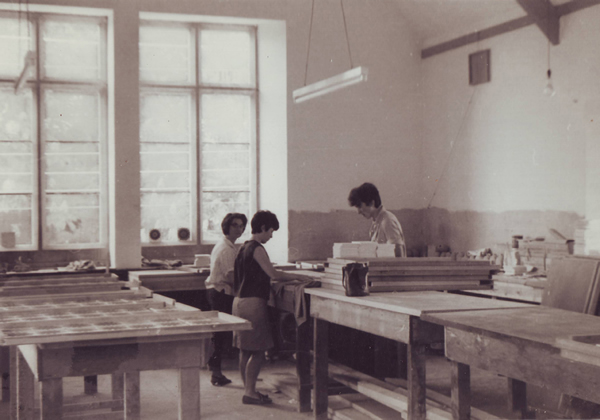
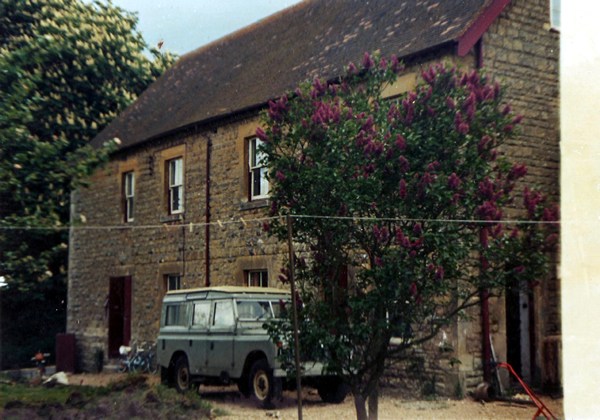
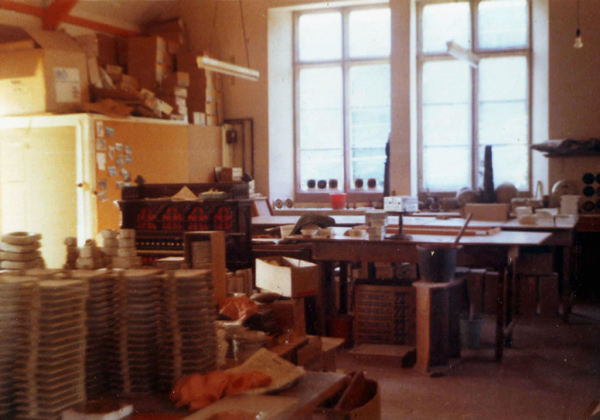
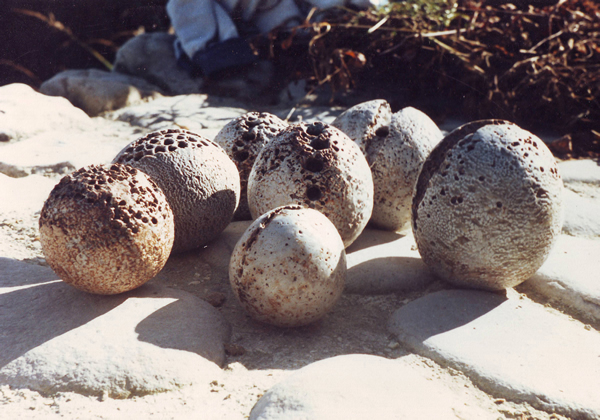
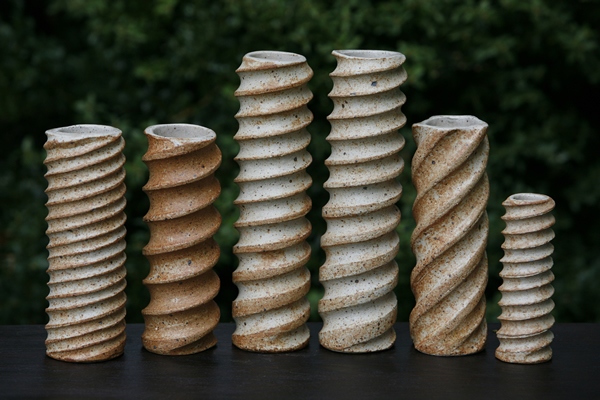
Here follows a selection of work produced at the Marnhull Studios
Eroded Form

Radiant Disc Form

Large Split Boulder

Spiral Grooved Cylinder

Grooved Cylinders

Tall Hammer and Oblong Forms

Large Swelling Form

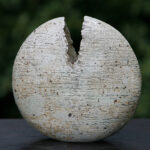
Huge Split Oval
Eroded Form

Large Disc Form

Large Split Boulder
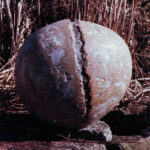
Seedcase Forms

Tall 'Stele' Form
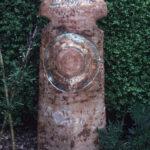
Large Nautilus Form

Seedcase / Poppy Head Form

Oblong Form

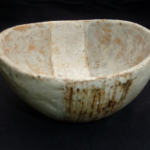
Large Bowl
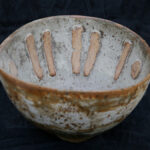
Eroded Form

Deep Split Form

Huge Segmented Oval

Huge Split Oval

Nautilus Form
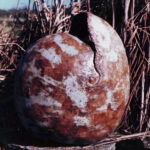
'Long' Pot

Seedcase Forms

Fluted Bowl
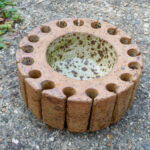
Square Bowls

Large Oval Form

Tall Cactus Form

Crescent Form

Eroded Form

Fossil Forms

Pierced Crescent

Opening Form

Opening Form

Segmented Seedcase
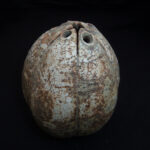
Pebble Form

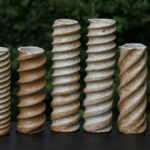
Spiral Screw Cylinders
Deep Split Form
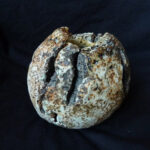
Pierced Sphere

Totemic Cylinder

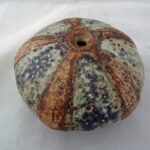
Urchin Forms

Selection of Forms

Pebble Forms

Geode Bowl

Urchin Form
'Torn' Oval Form
Gothic Lamp Base

Grooved Lamp Base
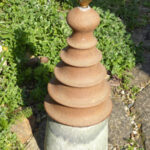
Spiral Lamp Base

Bowl
Cylinder
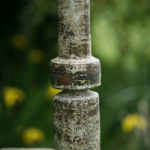
Totemic 'Notch' Pot

Totemic Lamp Base

Cylinder

Oblong Form

Spiral Grooved Cylinder

Pierced Crescent Segment
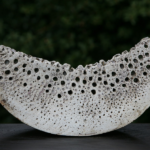
Giant Oval
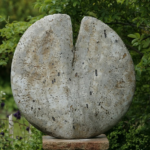
Spiral Grooved Cylinder

Impressed Cylinder
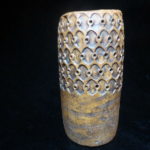
Wide Top Rectangular Form

Oblong Form

Tiled Two-Note Door Chime

Wood Fired Cylinder
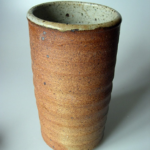
Eroded Oval
